
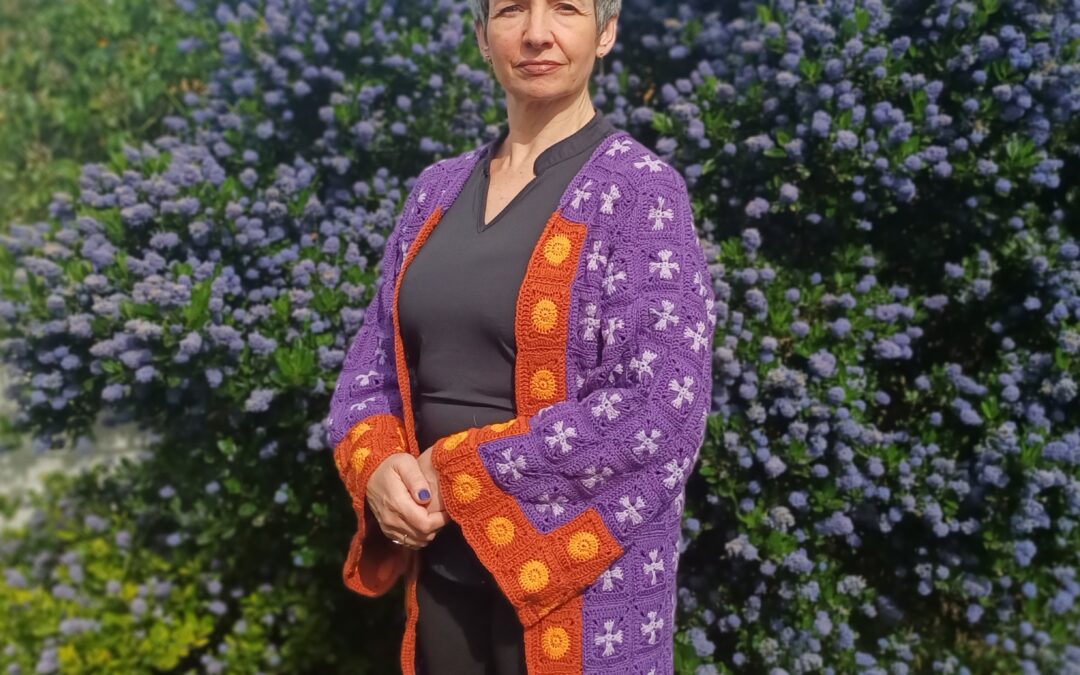
This project took sixteen months to complete: an idea conceived on St Brigid’s Day 2025 and finished on 3 June 2026.
Textiles are a form of storytelling. The words text and textile both derive from the Latin root texere, meaning “to weave”. In this piece, I weave together the threads of power and gender to illustrate a stark truth, contrasting women’s progress in political representation with the deaths of women at the hands of men.
The garment presents a visual juxtaposition between women elected to the Dáil from 1996 to 2026 and women who lost their lives through male violence, often in their own homes. It compares two different kinds of “houses”, both historically dominated by men.
In simple terms, a woman in Ireland is three times more likely to be killed by a man than to be elected to the Dáil.
My original intention was to examine a full century; 100 years of the rise and fall of women in Ireland, from 1924 to 2024. However, data on femicide is only available from 1996 onwards. That limitation is telling in itself, particularly when viewed through the management principle that “what gets measured matters”.
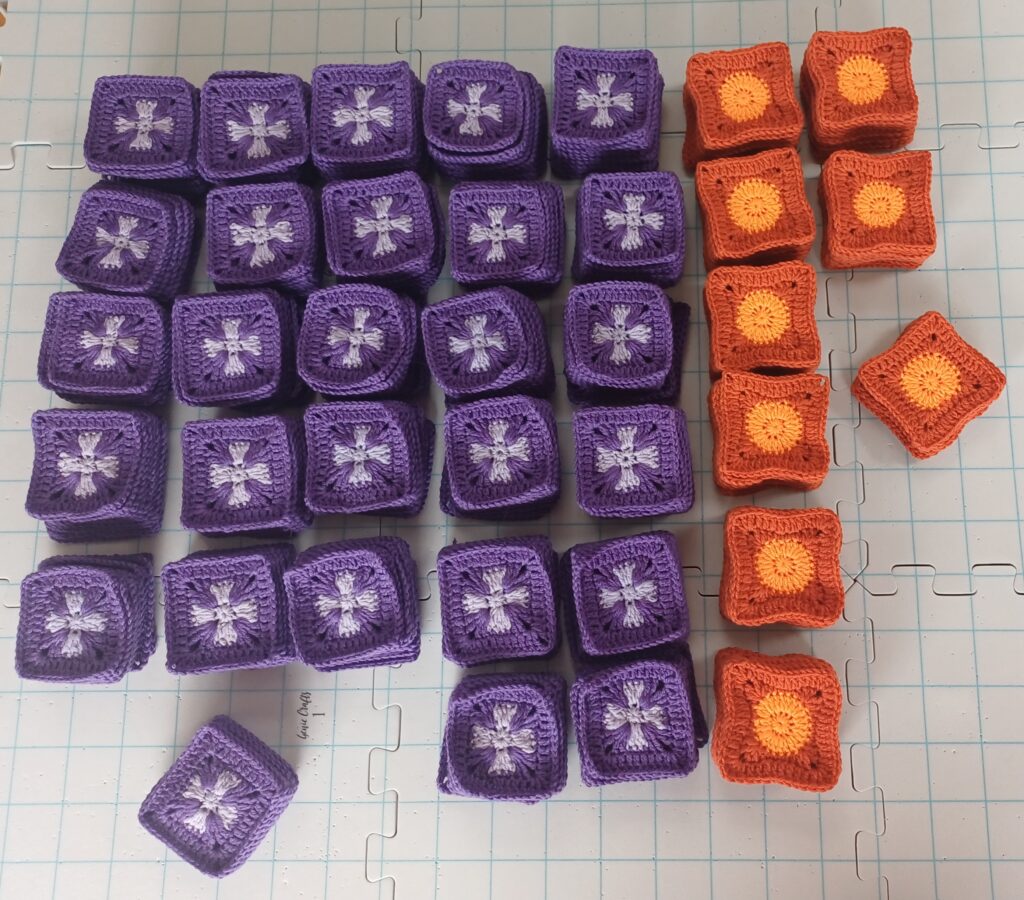
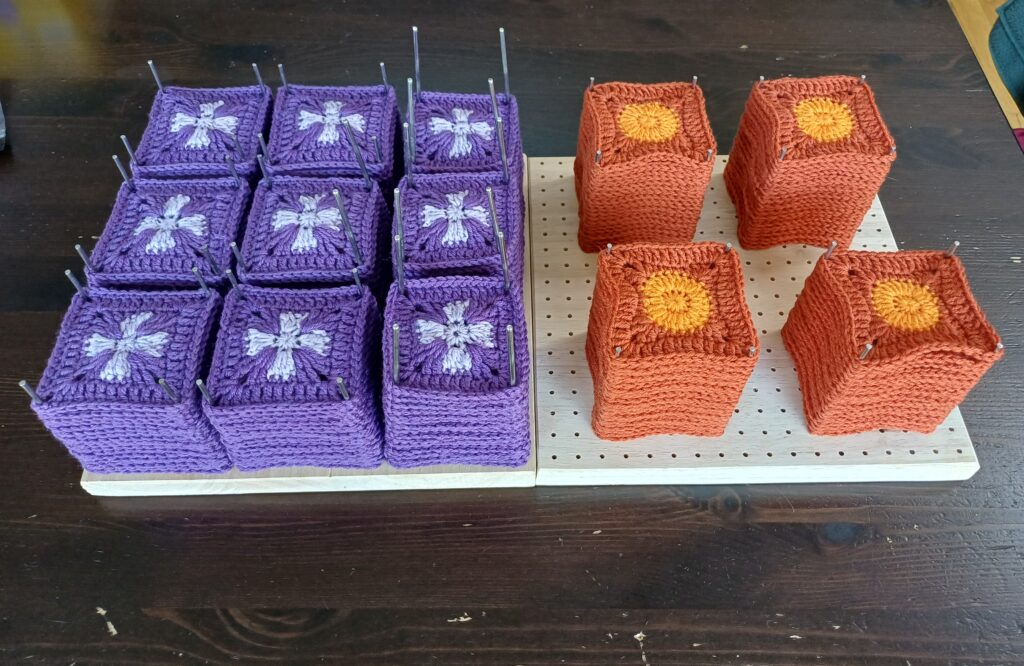
The finished garment contains 278 crosses representing women who died violently at the hands of men between 1996 and February 2026. Had the textile kept pace with recent events, several more crosses would already have been added. Around the edge of the piece are 86 circles of power, representing the women elected to Dáil Éireann during the same period.
The body of the garment is dominated by markers of violent death, while the circles of power barely form a perimeter at its edges.
This is a reality we need to confront. By making it tangible, tactile and wearable, it becomes harder to ignore or dismiss. I will wear it with both pride and heartbreak, in the hope that it sparks conversations about how we can change this reality so that a version of this garment made in 2056 could tell a different story.